Stable, safe hygiene.
Without chemical agents.
A sterile environment is not compatible with life, and it is not even achievable. The probiotic system abandons the idea of wiping out microorganisms and adopts that of governing them: creating a healthy, stable and competitive environmental microbiota that hinders pathogens over time.
Humanity is built
on microbes.
The first living beings to appear on Earth were microbes. They densely populate air, water, soil and surfaces; we breathe in millions of them every day and we host, inside and on our body, more of them than we have cells of our own. The human microbiota is the set of microorganisms that live in symbiosis with us: around 3.3 million bacterial genes, 150-200 times the human ones.
When that balance holds, we speak of eubiosis: the microbiome produces useful metabolites and protects the host. When it breaks down, with beneficial bacteria falling and harmful ones rising, we speak of dysbiosis. This is exactly what happens on a surface after aggressive disinfection.
Paul G. Falkowski

Disinfecting everything
means selecting
the most resistant.
Most cleaning products in use contain chemical agents that destroy bacterial flora indiscriminately: they remove harmless microorganisms and pathogens alike. The bacterial count is reduced to zero at the moment of cleaning but starts growing again within minutes, and the surface is repopulated by the most resistant and harmful strains, which find the field clear.
Biocides: the traditional approach
- Momentary elimination of the bacterial count, followed by rapid recolonisation
- Selective pressure in favour of resistant strains
- Contribution to the spread of antibiotic resistance genes
- Chemical residues, odours masked rather than removed, risks for operators and the environment
Probiotics: the AQUAMATER approach
- Stable colonisation of the surface with beneficial microorganisms
- Competition for nutrients and space that hinders the establishment of pathogens
- Remodulation of the microbiota with a reduction in resistances
- No chemicals, no residues, an effect that continues for days
Enzymes, competition,
stability.
Probiotics are non-pathogenic bacteria, found in nature, selected for their ability to produce specific enzymes. Applied to a surface, they analyse it, break down and metabolise organic soiling, and colonise it stably.
Application
The product is applied by spray, by dilution or by dry-fog nebulisation on surfaces, in ducts or in tanks. No rinsing required.
Enzyme production
The probiotics recognise the soiling present and produce the specific enzymes needed to break it down: proteases, lipases, amylases, cellulases.
Metabolisation
Organic soiling is not displaced but consumed: this is the mechanism that removes at source the substances responsible for unpleasant odours.
Colonisation
The surface is colonised by the probiotics, which reproduce and occupy the niche and the nutrients, preventing new pathogenic contamination.
Stability and transmission
The effect continues for days. The positive microbiota is transmitted from one surface to another, even by a handshake, extending the protection.
Eight reasons to
change method.
Effective
They remove soiling deep down and eliminate bad odours instead of masking them.
Natural
They derive from microorganisms found in nature and contain no chemical substances.
Long-lasting
They create an environment that hinders and delays the formation of new germs, dust and mould.
Biodegradable
100% natural: they carry on cleaning the pipes and drains they are poured into.
Transmissive
They create a positive microbiome that transfers from one surface to another.
Hypoallergenic and non-toxic
Free from chemical agents, safe for people, animals and the environment.
Practical
No rinsing required: the cleaning action continues over time on every surface.
Cost-effective
High dilution and low dosages: long duration and lower running costs.
A specific solution
for every environment.
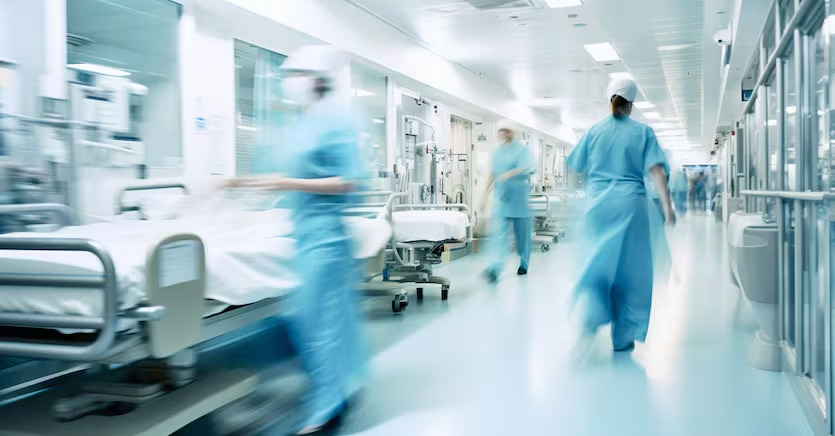
Hospitals and care settings
Reduction of up to 96% in the pathogenic germs present in the environment and maintenance of the potentially pathogenic count at low, stable levels over time, with remodulation of the microbiota and a reduction in resistances.
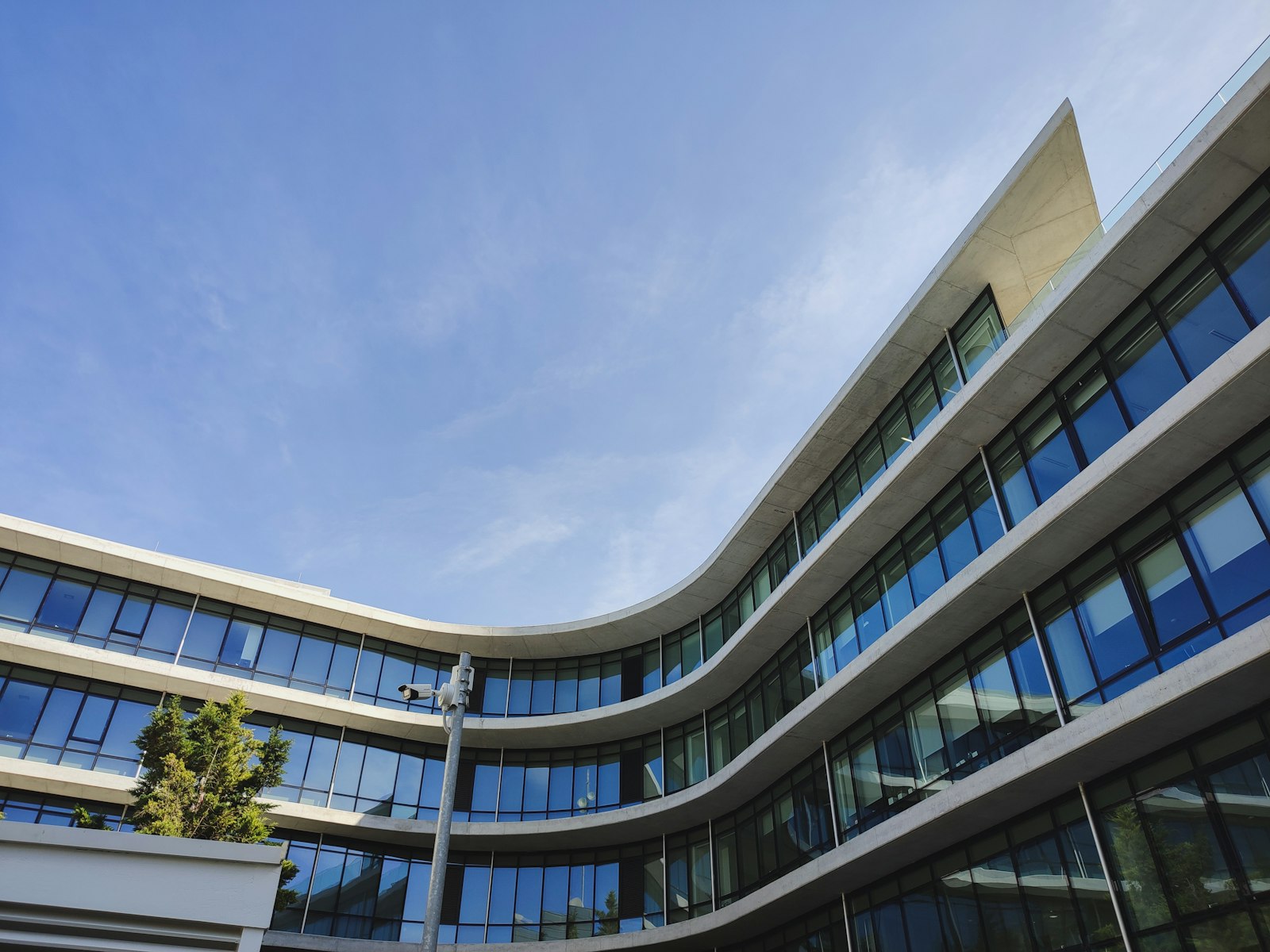
Retail and offices
Deep, lasting cleaning with the creation of a protective microbiota on surfaces, furnishings and washrooms, and odour control in high-traffic areas.
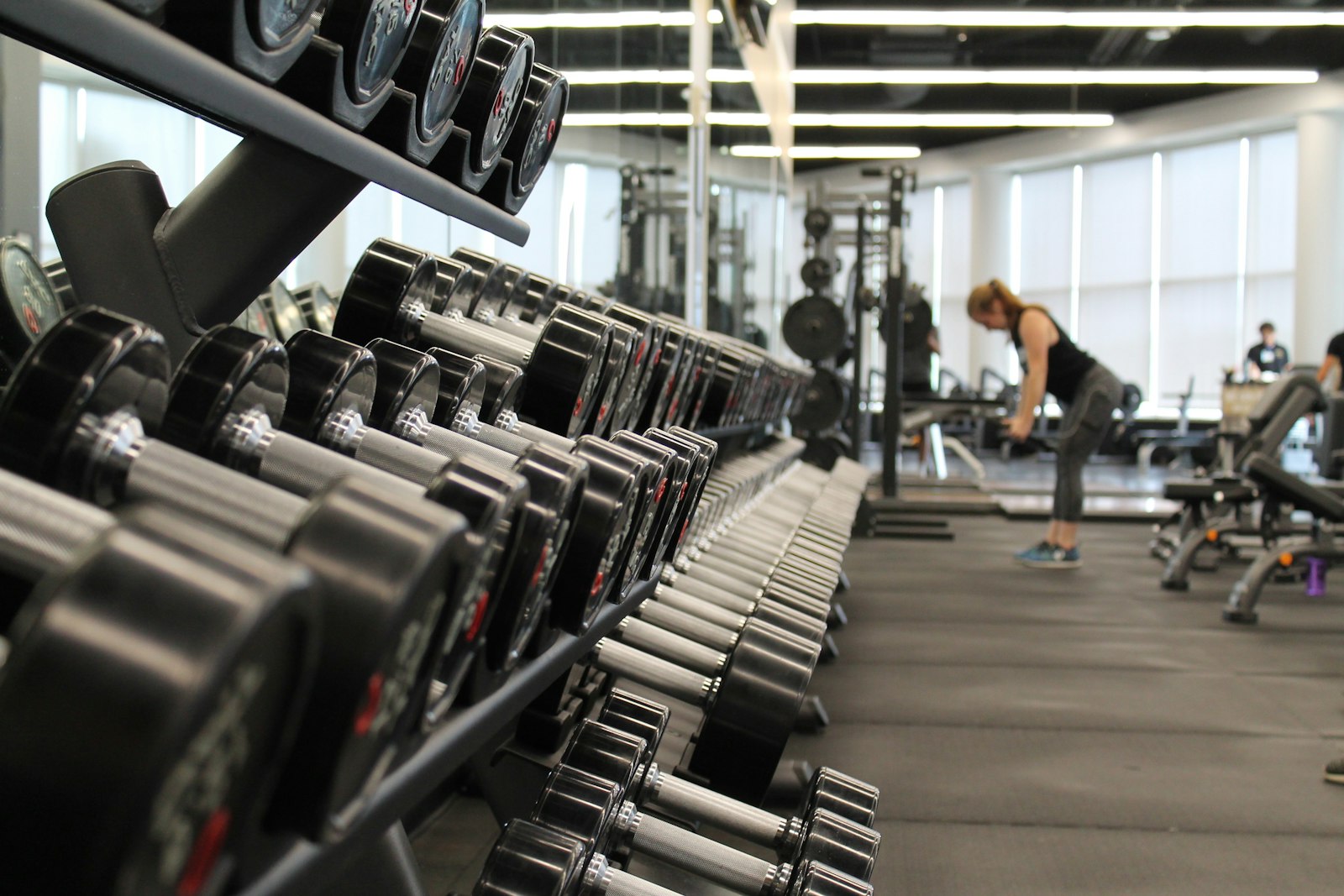
Fitness and wellness
Ideal for busy environments: sanitisation of surfaces, changing rooms and equipment, with a perceptible improvement in air quality.

HVAC systems
Improved indoor air quality, reduction of contaminants and allergens, odour control and less frequent mechanical cleaning work.
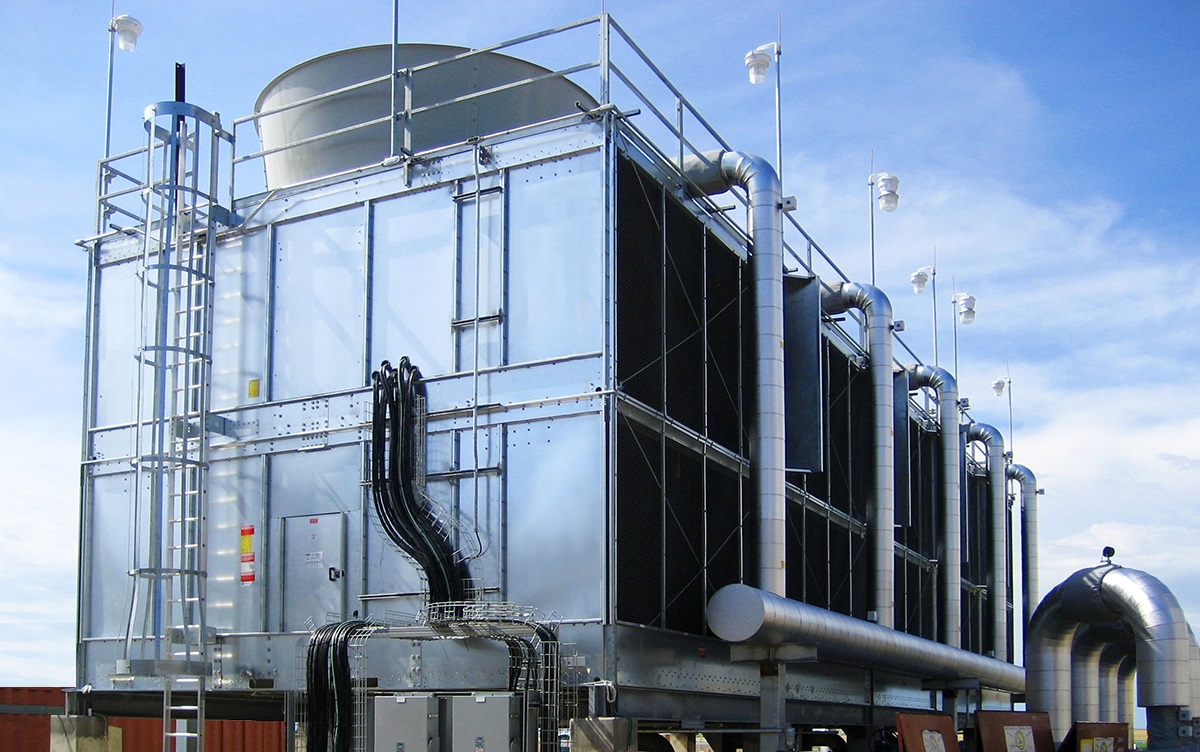
Industrial water
Cooling towers, waste water, treatment plants and storage tanks: progressive removal of biofilm and recovery of energy efficiency.
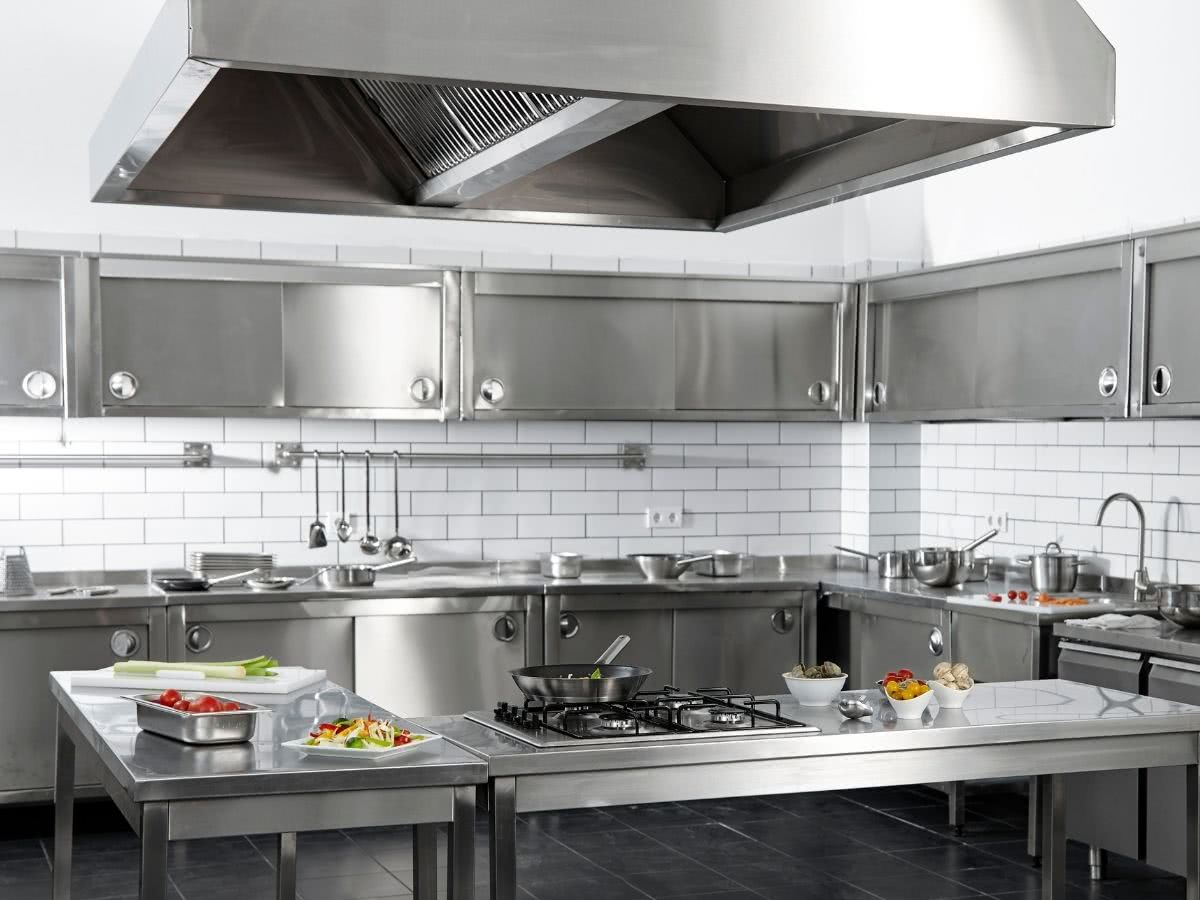
Professional kitchens
Continuous treatment of grease in extraction hoods and ductwork, odour abatement at the exhaust and reduced fire risk.
Not a hunch.
A body of literature.
The probiotic approach to environmental hygiene has been studied in real healthcare settings, with outcome measures on microbial count, healthcare-associated infections and antibiotic resistance genes.
environmental pathogenic germs in a hospital setting
healthcare-associated infections (Caselli et al., 2018)
stable, permanent reduction of germ risk
Health Technology Assessment evaluation of the probiotic system in Italy
Key references
- Vandini A. et al. (2014), PLOS ONE, effect of probiotic cleaning products on the hospital microbiota
- Caselli E. et al. (2018), PLOS ONE, reduction of healthcare-associated infections
- Johnson S. et al. (2019), Journal of Virology, reduction of the risk of viral infectivity
- Health Technology Assessment of the Probiotic Cleaning Hygiene System in the Italian healthcare setting
How we introduce it
- Preliminary assessment of the environment and of the existing cleaning procedure
- Initial remediation of systems and surfaces to start from a clean condition
- Training of the staff involved and definition of the operating protocols
- Microbiological monitoring before and after, with accredited laboratories
Tell us about your system.
We design safe water and air.
Technical consultancy, risk assessment, bespoke design and tailored quotations for healthcare facilities, hotels, industry, public bodies, resellers and distributors all over the world.